
Learning Greek is an exciting goal, whether motivated by culture, travel, heritage, or personal growth. Today, learners usually face two main options: joining a Greek immersion program or choosing to learn Greek online. Both approaches have clear advantages, but they work in very different ways and lead to different learning experiences.
In this article, we explore Greek language immersion vs online learning, focusing on how each method works, what kind of learners they suit best, and how they can even complement each other.
What Is a Greek Immersion Program?
A Greek immersion program places learners in an environment where Greek is used continuously and naturally. Language learning does not stop when the lesson ends, it continues throughout the day, in real conversations and real-life situations.
In a Greek immersion program, learners:
- Hear Greek constantly
- Speak Greek daily
- Use Greek for real communication
- Learn vocabulary in real context
This kind of exposure trains the brain to think in Greek rather than translate from another language. A Greek immersion program focuses on communication first, helping learners build confidence and fluency naturally.
What Does It Mean to Learn Greek Online?
To learn Greek online usually means attending virtual classes, using learning platforms, or joining online speaking sessions. Online learning offers flexibility and accessibility, especially for learners who cannot travel or relocate.
When people learn Greek online, they benefit from:
- Flexible schedules
- Location independence
- Lower costs
- Structured lessons
For many learners, to learn Greek online is a practical and realistic starting point, especially at beginner levels.
Language Exposure: Constant vs Controlled
One of the biggest differences between a Greek immersion program and learning online is exposure.
In a Greek immersion program, Greek surrounds you all day. You hear it in class, on the street, at cafés, and in everyday interactions. This constant input accelerates listening comprehension and helps learners internalize natural speech patterns.
When you learn Greek online, exposure is usually limited to lesson time. Even with excellent teachers, Greek is often confined to specific sessions. This means learners must actively create extra exposure through listening and practice.
Both methods work, but immersion provides automatic repetition, while online learning requires more self-discipline.
Speaking Practice and Confidence
Speaking is often the hardest part of learning Greek. A Greek immersion program forces learners to speak Greek regularly, sometimes even when they feel unprepared. This may feel challenging at first, but it builds confidence quickly.
Daily interaction in real situations helps learners overcome fear and hesitation. Over time, speaking Greek becomes natural.
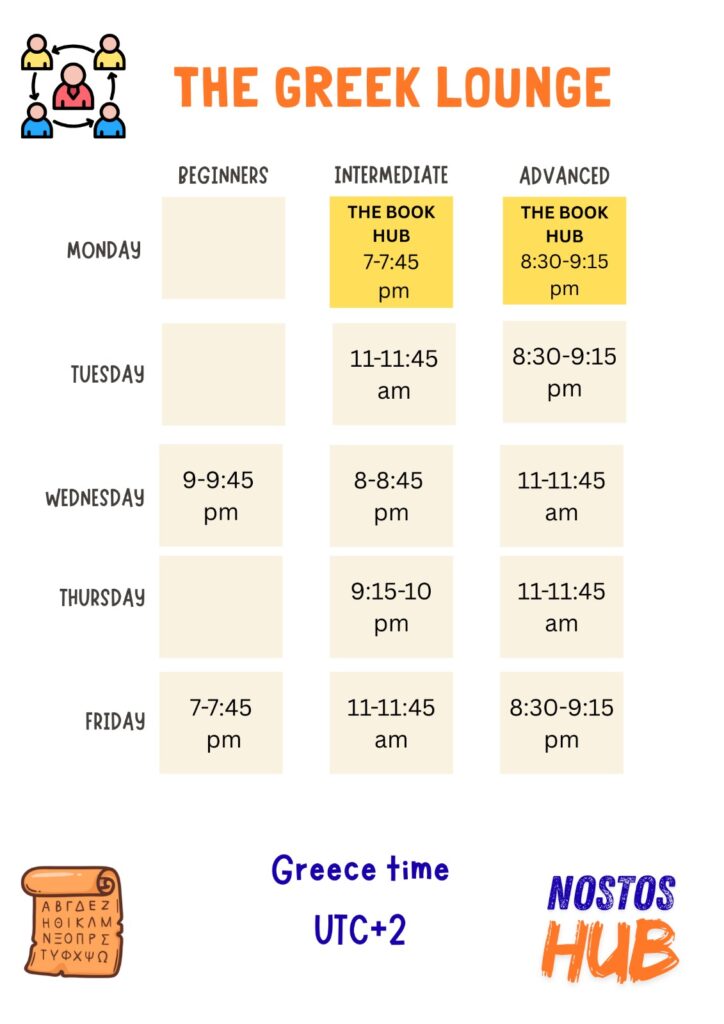
When you learn Greek online, speaking practice depends heavily on the format of the course. Some online programs focus strongly on grammar, while others emphasize conversation. Structured speaking platforms, such as The Greek Lounge, help bridge this gap by offering regular conversation sessions.
Structure vs Real-Life Context
Online learning often offers very clear structure. When you learn Greek online, lessons usually follow a specific progression, which many learners find reassuring.
A Greek immersion program, however, blends structure with real-life context. Grammar and vocabulary are learned because they are needed in daily situations, not just because they appear in a lesson plan.
This context-based learning helps learners remember and use Greek more naturally. Words are associated with experiences, emotions, and interactions, which strengthens long-term retention.
Cultural Understanding and Language Depth
Language and culture are deeply connected. A Greek immersion program naturally exposes learners to cultural elements such as social norms, humor, body language, and everyday communication styles.
This cultural exposure helps learners understand not just what to say, but how and when to say it. This depth is harder to achieve when you only learn Greek online, although cultural elements can still be introduced through videos, discussions, and guided content.
Immersion allows learners to experience culture directly, which makes language use more authentic.
Flexibility and Accessibility
One major advantage of choosing to learn Greek online is flexibility. Online learning works well for busy schedules, different time zones, and learners who cannot travel.
A Greek immersion program requires physical presence and time commitment. However, this commitment often leads to faster progress because learners are fully focused on the language without distractions.
Many learners find that combining both approaches works best.
Combining Immersion and Online Learning
Rather than choosing one over the other, many learners benefit from combining a Greek immersion program with the option to learn Greek online.
For example:
- Immersion builds fluency and confidence
- Online speaking practice maintains consistency
- Online sessions reinforce what was learned during immersion
Programs like Courses in Athens offer a structured immersion experience, while The Greek Lounge supports ongoing speaking practice online.
Together, these options create a complete learning system that supports both intensity and consistency.
Which Option Works Better?
There is no single answer. A Greek immersion program works best for learners who want rapid progress, real-life communication skills, and deep cultural understanding.
To learn Greek online works best for learners who need flexibility, steady progress, and access from anywhere in the world.
The most effective approach often combines both: immersive experiences supported by regular online speaking practice.
When comparing a Greek immersion program with the option to learn Greek online, the key difference lies in how language is experienced. Immersion turns Greek into a daily reality, while online learning provides structure and accessibility.
For learners who want real fluency, immersion offers unmatched depth. For those who need flexibility, online learning keeps Greek present in everyday life. When combined thoughtfully, these methods reinforce each other and lead to long-term success.
By integrating immersive programs like Courses in Athens with ongoing online conversation through The Greek Lounge, learners can create a balanced and powerful path toward mastering Greek.